

Separating from a partner is difficult enough without arguing over who gets the house, the car, or the sofa you both hate but somehow still want. Shared property can become a major source of conflict when emotions run high and financial decisions cannot wait. The key is to protect your legal rights while keeping disputes from spiraling out of control. A clear plan can help both parties make informed choices and avoid expensive mistakes.
Start by Identifying Everything You Own Together
Before discussing who keeps what, create a complete inventory of shared assets and debts. Include real estate, vehicles, bank accounts, investments, furniture, mortgages, and outstanding loans. Gather purchase records, account statements, deeds, and loan documents. These records help establish ownership and provide a clearer picture of your combined financial position. Don’t assume that an asset belongs exclusively to the person whose name appears on a document. Depending on local law and the circumstances, contributions, marital property rules, and agreements between partners may also matter. Keep copies of important paperwork in a secure location you can access lawfully. Accurate records give you a stronger starting point if negotiations become contentious.
Understand Your Legal Rights Before Making Moves

Property rules vary by jurisdiction, and the distinction between marital and separate property can significantly affect the outcome. Some places follow community property principles, while others use equitable distribution or different legal frameworks. The length of the relationship, how an asset was acquired, and any prenuptial agreement may influence the decision. Never assume that splitting everything down the middle is automatically required. Before selling, transferring, or giving away valuable assets, get legal advice. Moving money out of joint accounts or changing property ownership without understanding the consequences could create serious problems. A family lawyer can explain relevant rules and identify steps that may protect your position. Don’t sign a property settlement just because you want the argument to end. A rushed agreement can have long-term financial consequences.
Make a Practical Plan for the Family Home
The family home often creates the biggest headache because it combines financial value with emotional attachment. One partner may want to stay, while the other wants to sell and divide the proceeds. Possible solutions include selling the property, agreeing that one partner buys out the other’s share, or temporarily retaining joint ownership. Each option has financial, practical, and legal consequences worth reviewing carefully. Remember that transferring ownership doesn’t automatically remove someone from a mortgage. If both names remain on the loan, the lender may still hold both borrowers responsible under the loan terms. Before agreeing to a buyout, review the property’s value, outstanding balance, refinancing options, and ongoing costs. Put the final arrangement in writing and follow the legal process required in your jurisdiction.
Use Negotiation and Documentation to Prevent Disputes
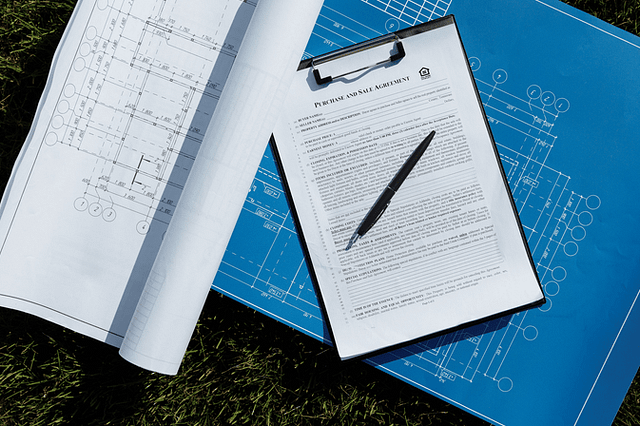
Court proceedings can consume time, money, and emotional energy. Negotiation or mediation may offer a more constructive route when both parties can participate safely and communicate in good faith. A neutral mediator can help identify workable solutions, but cannot replace independent legal advice. If there is coercion, intimidation, or financial abuse, prioritize safety and seek appropriate legal assistance rather than relying on informal negotiations. Record agreements clearly, including payment deadlines, responsibility for bills, asset transfers, and what happens if someone fails to meet their obligations. Avoid relying on verbal promises, even if things seem friendly today. Keep communication factual and save relevant correspondence. Clear documentation reduces confusion and can provide evidence if a disagreement returns later.
Managing shared property during separation requires patience, reliable records, and a sound understanding of your rights. Stay focused on practical outcomes rather than using property as leverage during emotional arguments. Laws and procedures differ by location, so consult a qualified family lawyer who understands the rules where you live.